Here we are again, after a three-year gap. This year I am actually writing a letter! It’s not that there was nothing to say about 2012-2014, just that by the time I got around to writing each year it was halfway into the next year. So I thought I’d just wait a bit longer and try for a 2015 letter. Here goes …
 |
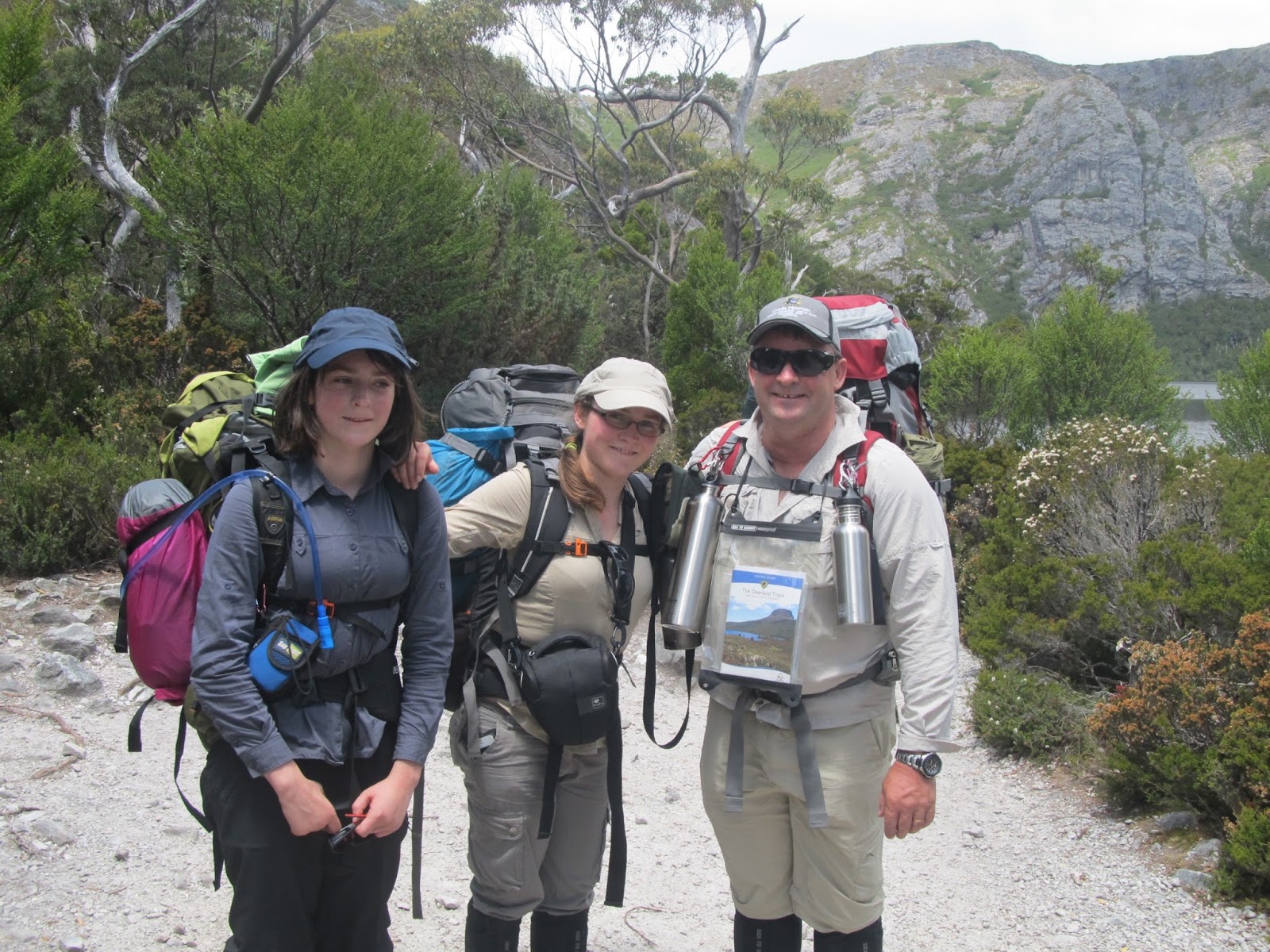
| Claire, Laura and John hiking near Cradle Mountain |
We ended 2012 and began 2013 with a holiday in Tasmania. Laura, Claire and I hiked the Overland Track from Cradle Mountain to Lake St Clair. This trek was 5 days of hard work and fantastic scenery, and we celebrated the New Year under the stars. Anita was relaxing in Hobart in a respite care facility while we were slogging over the mountains, and Erin visited with her Nana and Opa. Then we all joined up at Hobart Airport for the rest of the Tassie holiday. Evan joined us with his Landcruiser as well, so we got to do some of Tasmania’s excellent 4WDing. The other big events in 2013 were Laura’s 18th birthday, her completing Year 12 with excellent grades, and getting a place at Charles Darwin University to study nursing.
 |
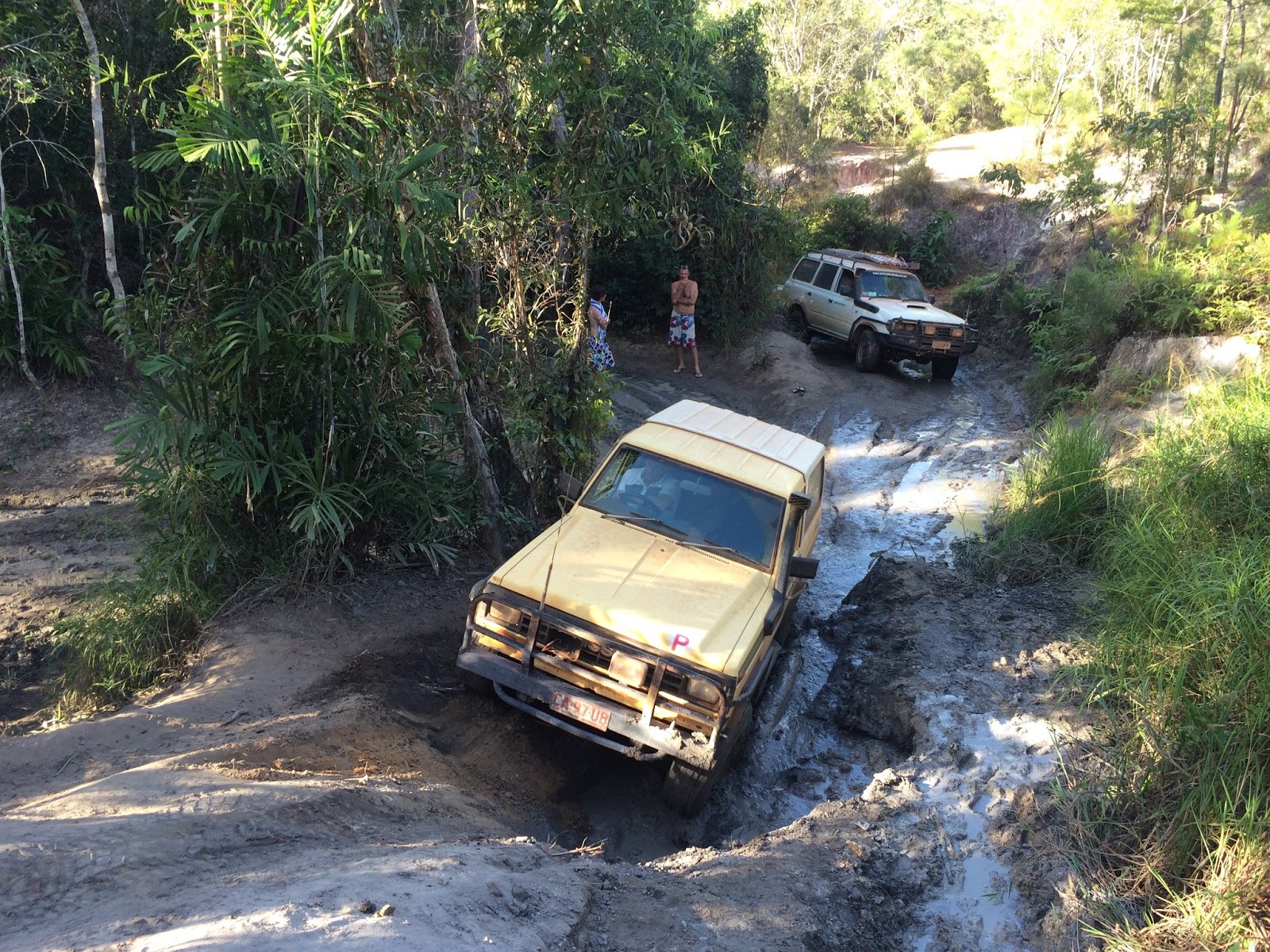
| Laura and John driving the Telegraph Track on Cape York |
The big trip for 2014 was a return to Cape York. Erin was 2 ½ when we did this trip previously so had no memory of it. Laura drove her Patrol for the trip, which was it’s first major expedition since we completed the rebuild. The waterholes, creek crossings, and scenery were every bit as good as we remembered from the trip in 2008. One extra addition this time was a ferry ride to Thursday Island for Laura and I. This is one part of the world that could do with some more exploring if we get the opportunity!
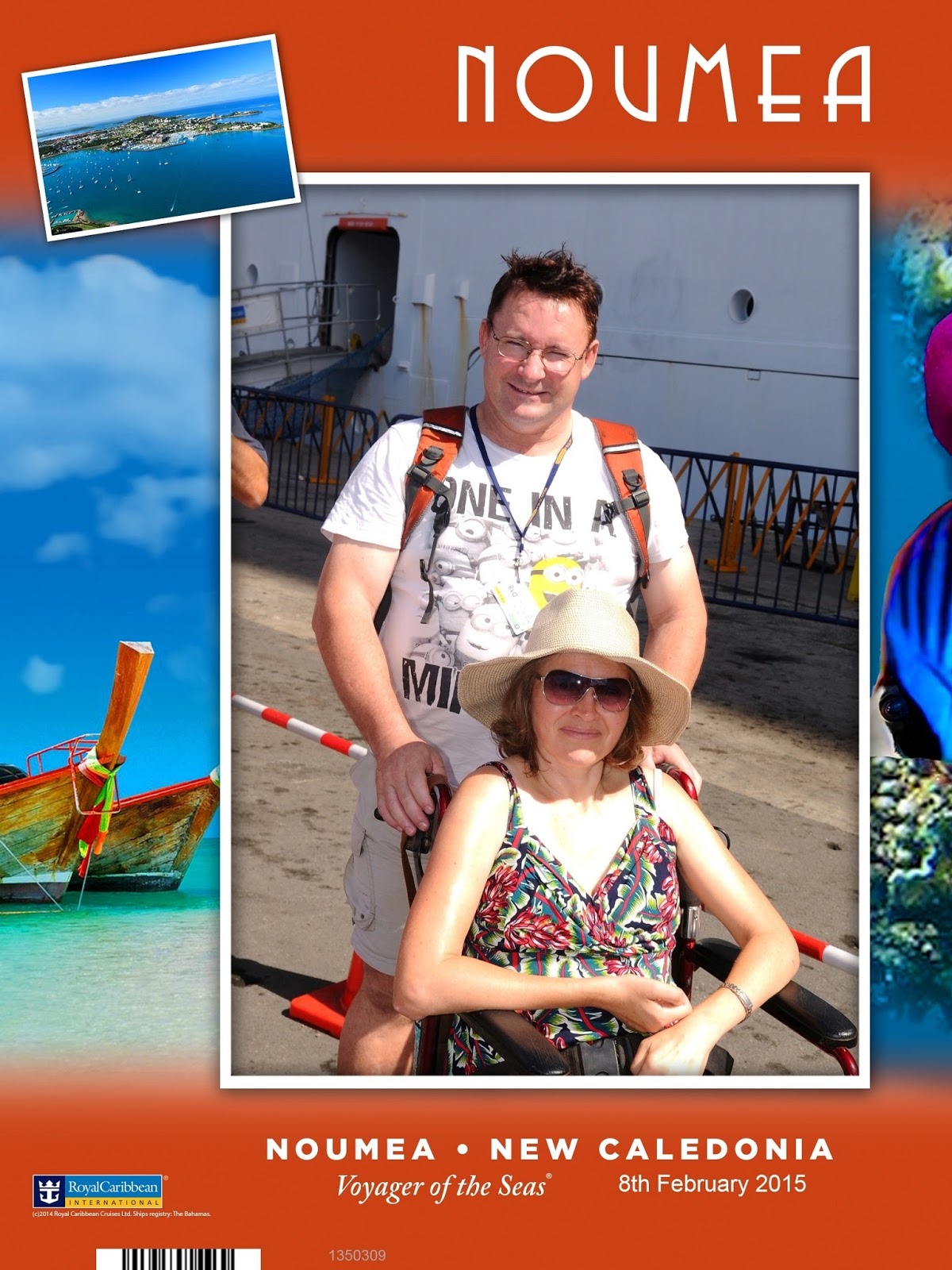
2015 included some milestones and highlights as well. There was no Big Trip, but lots of smaller ones, some with all of us and some by myself. The travelling kicked off with a cruise for Anita to celebrate our 20th wedding anniversary in 2014. It took that long to arrange everything that we actually had our 21st anniversary during the cruise. It was Anita’s first time out of Australia, and we spent 14 days on “Voyager of the Seas” visiting New Caledonia, Fiji and New Zealand.
 |
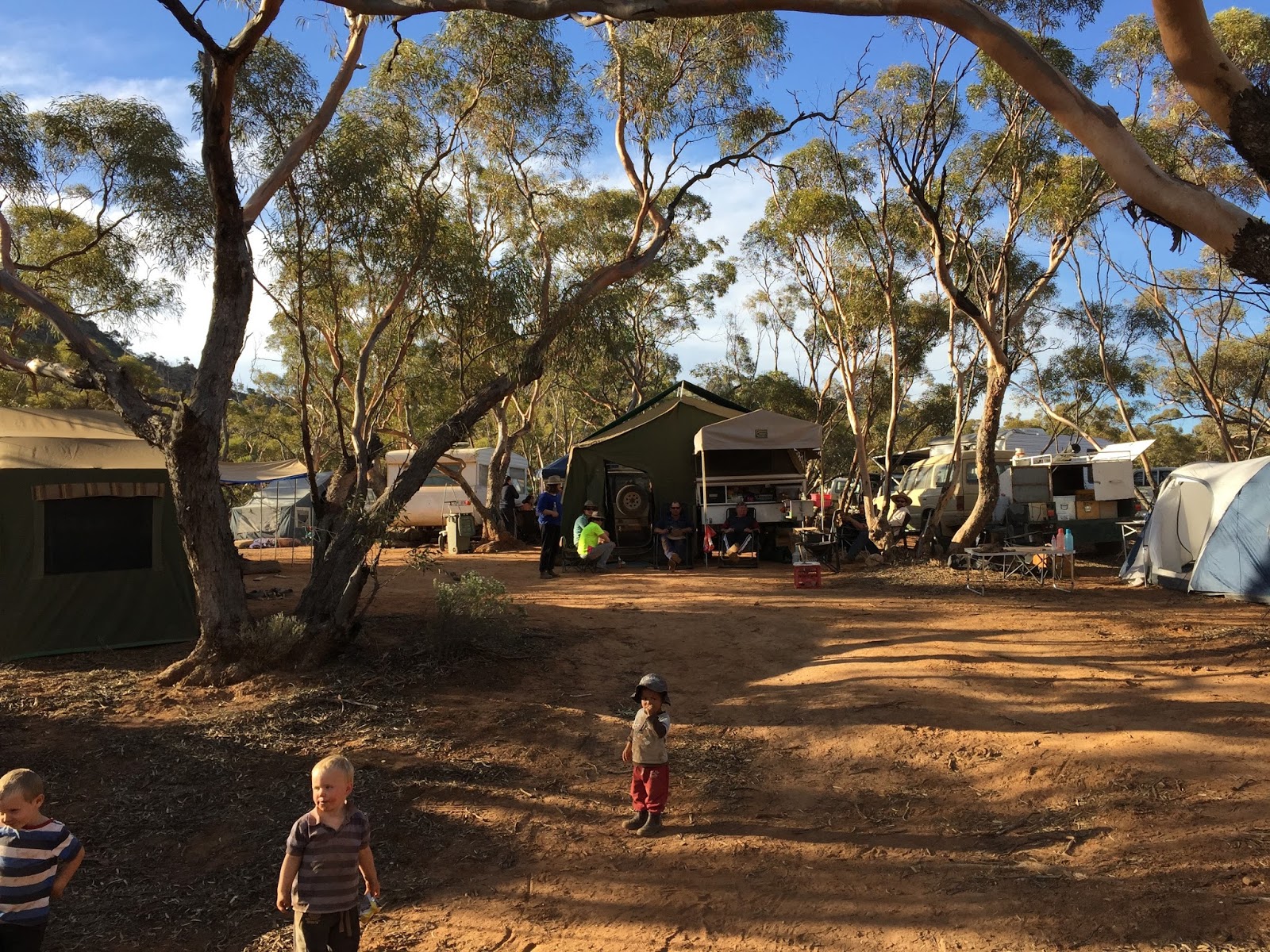
| Camping in Flinders Ranges for John’s 50th birthday |
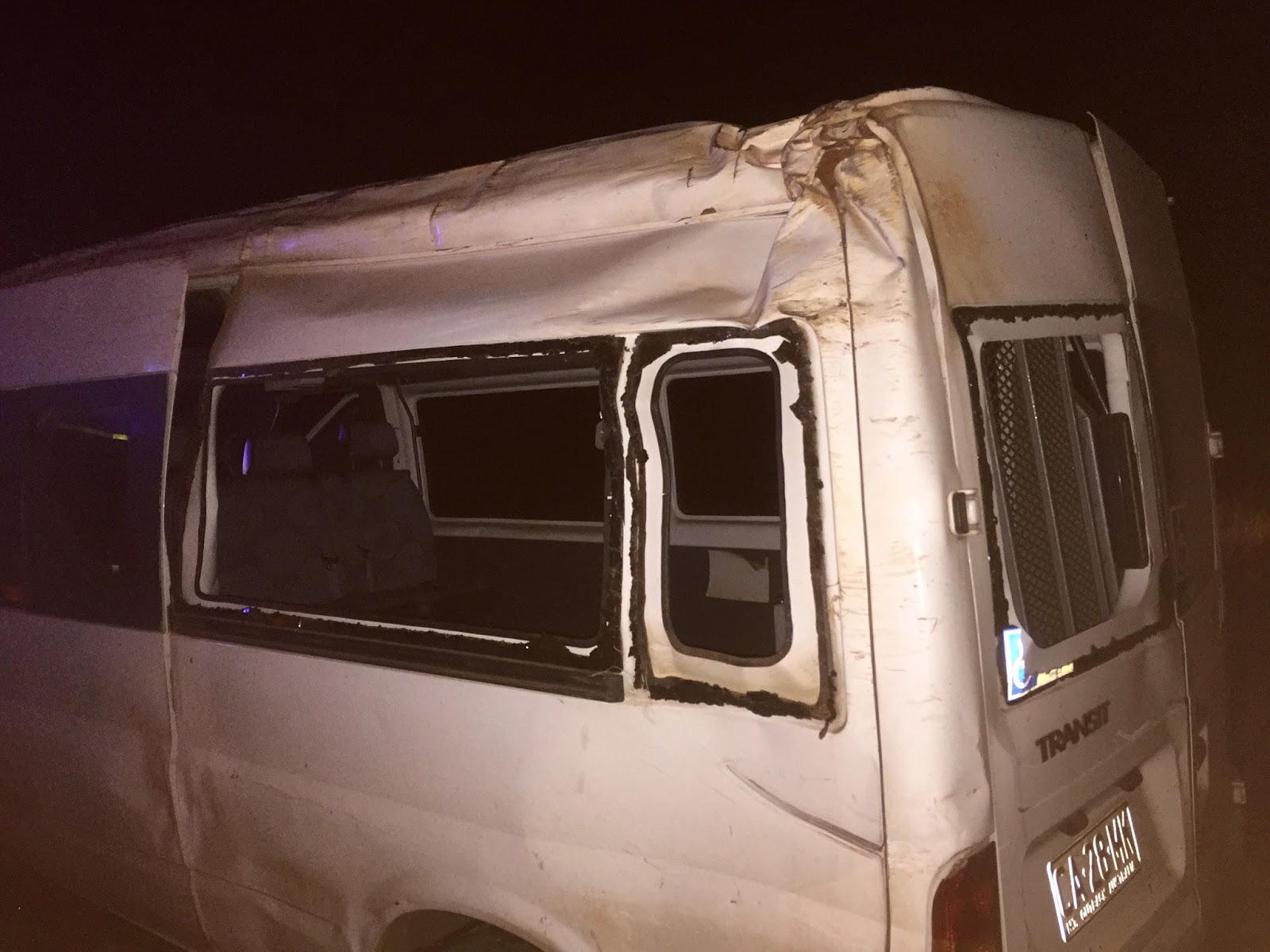
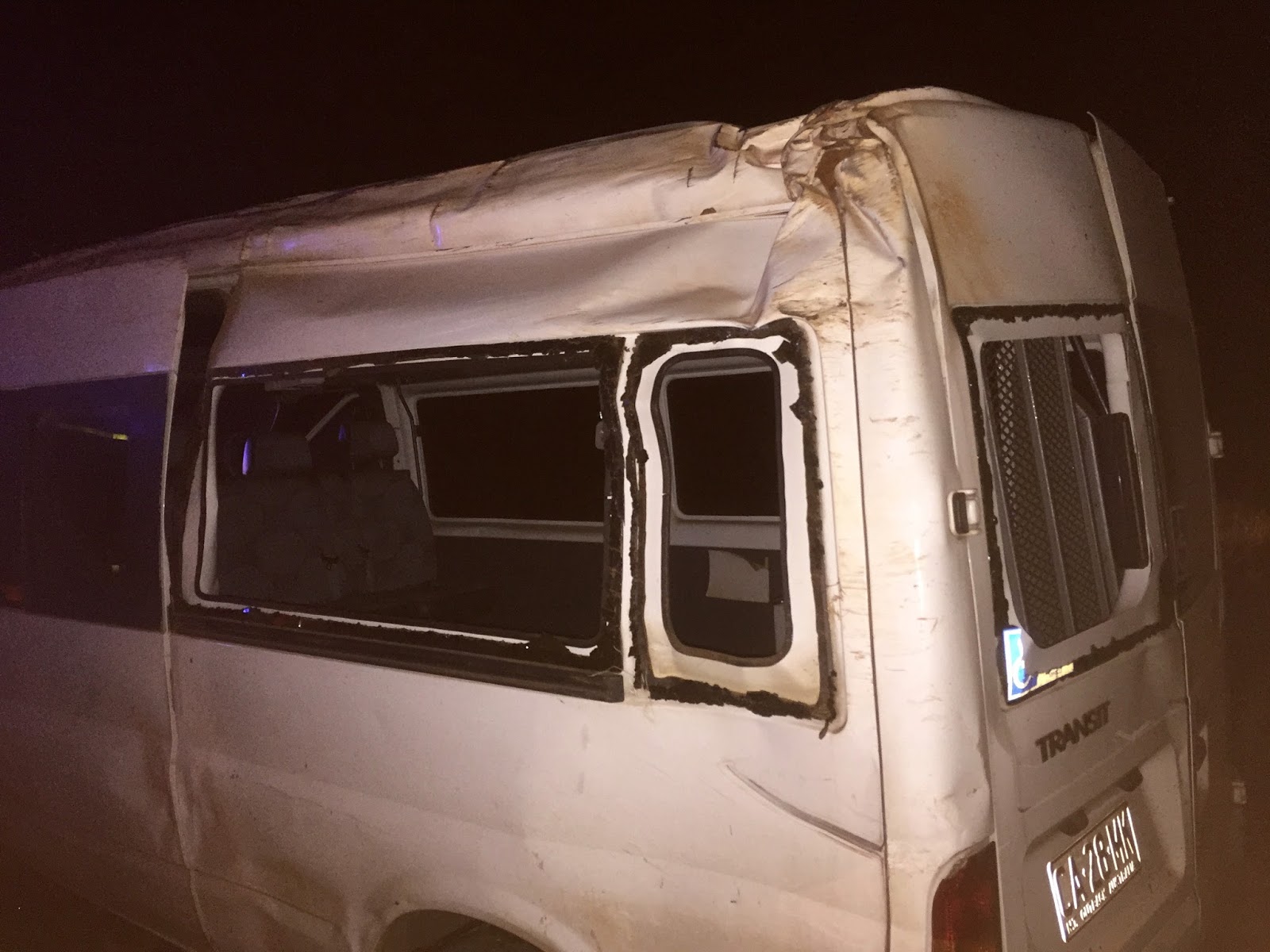
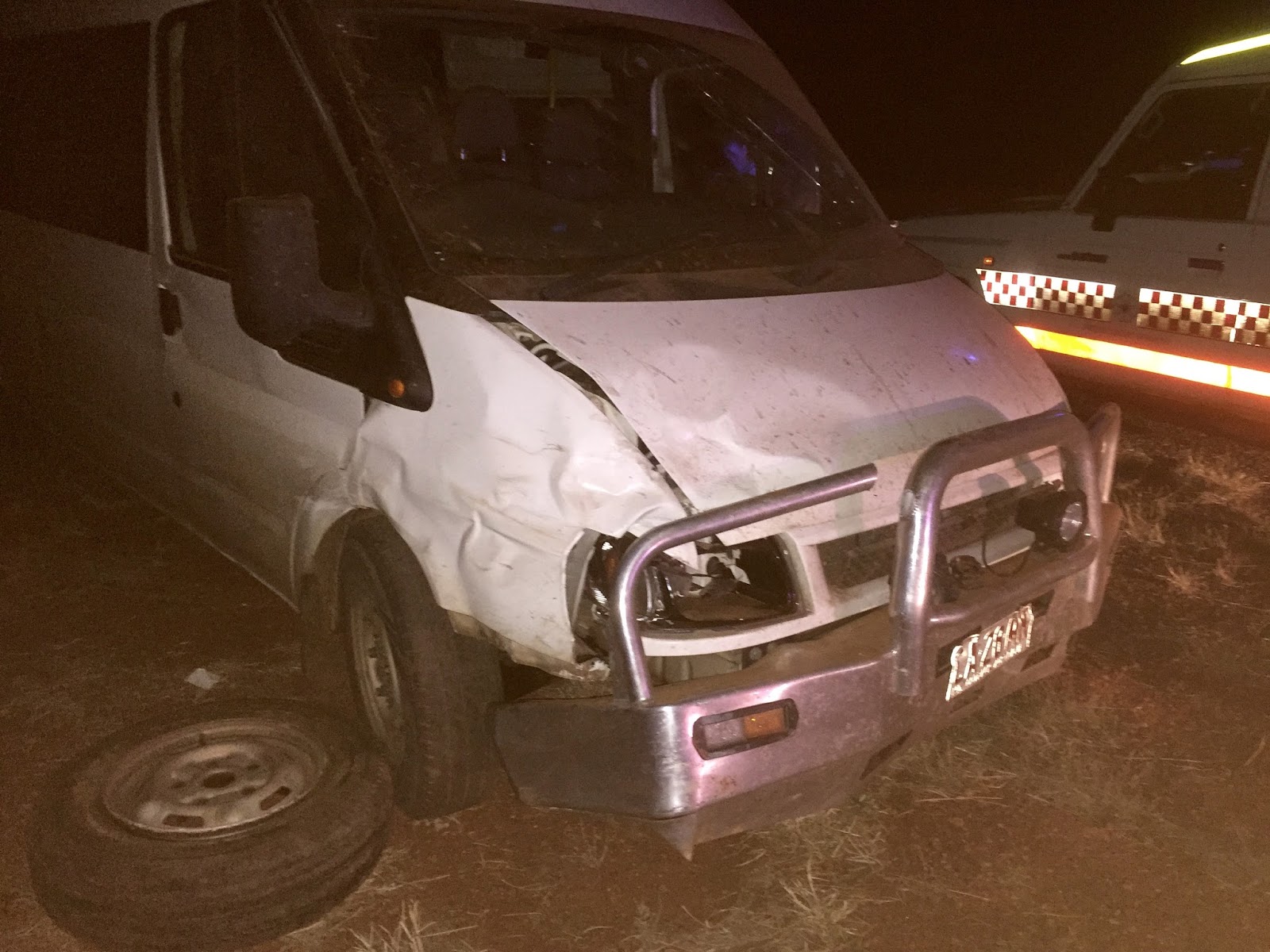
Then there was my 50th birthday party in the Flinders Ranges is SA, where we camped for a weekend after driving both the Landcruiser and Patrol nearly 2000km. Laura got to try out her new winch that I’d given her for her 19th birthday, and I got to see all my siblings and a large number of nieces and nephews which was pretty special because it’s rare these days. Another trip to celebrate Anita’s stepfather’s 80th birthday ended abruptly when we hit a cow with the Transit van. After rolling onto its side and spinning a few times, the van was a write-off and we returned home shaken and sore. No-one was hurt, which was pretty amazing as our whole family was on board with some heavy luggage to keep us company during the accident. Fortunately the van was insured, so I must have learnt something from losing our uninsured Landcruiser in 2008 to a drunk driver. Then in October we had another quick trip down south to attend sister Rachel’s wedding in Streaky Bay. Seeing all my siblings twice in one year!! Other trips have been to Darwin, Alice Springs, Melbourne, Cairns, Gold Coast (twice), and Adelaide in connection with work, CRANAplus, or NTES.
 |
| Transit van after hitting cow and rolling |
We are still living in Tennant Creek but since the last letter in 2011, we have moved. We now live at 6 Gray Court in a solid brick house set in a lush tropical garden. It is spacious and comfortable, and very well suited to caring for Anita. There are 3 large bedrooms including one with an ensuite. The main bathroom contains a big spa bath and the 2 toilets mean that there are no queues when you need to go. The house is shaded on all four sides by verandah, carport or patio, and 2 huge trees screen it from the street as well as shield it from the afternoon sun. The back yard sports a plunge pool, a large BBQ, a wood-fired pizza oven, and a shaded entertainment area. On the side of the house is a large carport leading to a double garage. All of this is set off with a privacy hedge flanked with frangipani trees, and masses of palm trees and jasmine. It’s a far cry from our first home in Tennant Creek! Since moving in, we have planted 3 citrus trees and four passionfruit vines. The vines are doing a great job of covering the patio to make it shady and more comfortable in the heat
 |
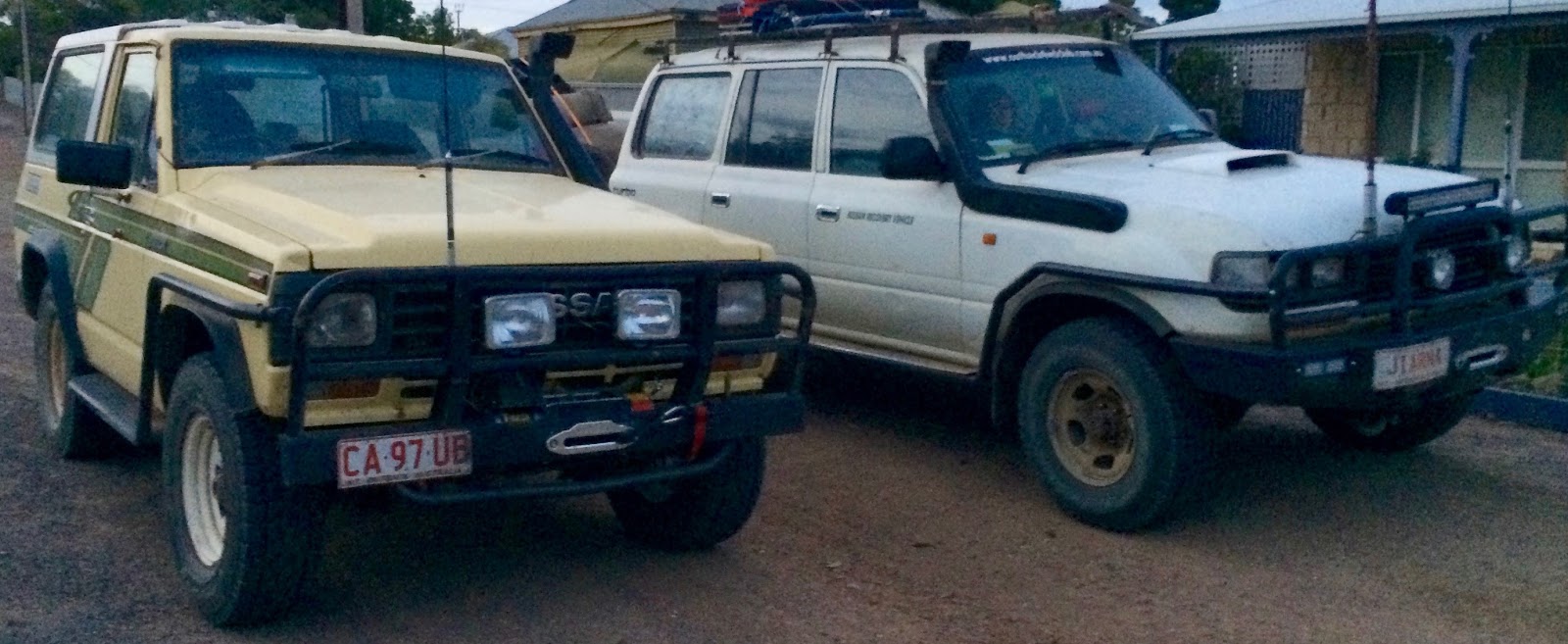
| Laura’s Patrol and John’s Landcruiser |
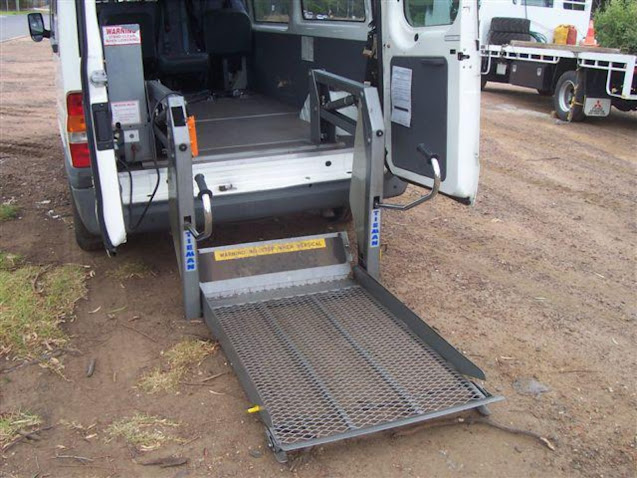
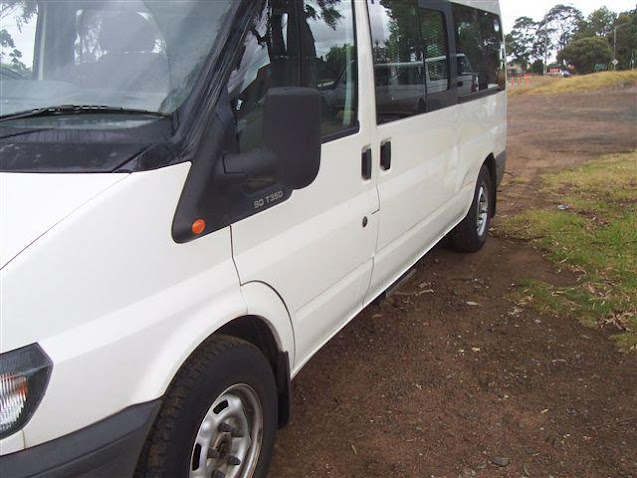
For transport we still have our 80 series Landcruiser. The ‘new’ engine installed in 2011 is going strong with its turbocharger to give it extra kick. During 2013 I installed a top-mount intercooler that makes it run even better. The other transport option was a Ford Transit van we bought in Melbourne during 2012. It had a hydraulic hoist in the back which made loading Anita and her wheelchair simple and pain-free. Even Erin could load Mum into the van and strap her and the chair into place. Unfortunately that all came to an abrupt end 380km south of Tennant Creek a few months ago so we had to come up with an alternative. Running a second vehicle was expensive, and I wasn’t about to sell my beloved 80 series Landcruiser. Then I found a vehicle-mounted hoist that can lift Anita from her wheelchair into the Landcruiser and back again. So with the hoist and a new lightweight power chair (about 30kg rather than 110kg) and we were mobile again.
Laura’s Patrol was finally completed just in time for her to go to University in Darwin in early 2014. It is old and noisy and thirsty but she loves it, and has taken it successfully up to Cape York and back, and down to the Flinders Ranges and back. Not to mention several trips to and from Darwin (1000km each way).
Now let’s check out each family member …
 John
John. After 2 and half years relaxing and enjoying being a team member in the Emergency Department, I applied for and won the position of Clinical Nurse Consultant – Emergency Department. Against all the odds I’ve ended up back in management! I took up the new position on Anzac Day 2013, and have found that I am really enjoying the improved quality of life from not doing shift work. The pay is a bit less, but the benefits are worth it. Then in late October 2013 I stepped up to the role of Acting Clinical Nurse Manager for the Hospital while my boss went on leave until mid-February 2014. Over the Christmas/New Year period I got bumped up the ladder even further as Acting General Manager / Director of Nursing for two weeks.
On July 1st 2015 I stepped across into the Clinical Nurse Educator role for Tennant Creek Hospital. That was another pay cut for me, but I love the job and my quality of life is pretty good. Importantly I have a lot of flexibility if I need to go home to help Anita at short notice, which is something that wasn’t easy when I worked “on the floor” in the Emergency Department. I must be doing something right because I won Employee of the Month in October! Education has been an interest of mine ever since I started postgraduate study in 1997, and started teaching CPR to nurses at Flinders Medical Centre. It is so rewarding to be able to inspire colleagues to improve their knowledge and skills, and create systems that support quality education for Tennant Creek Hospital. It’s probably no surprise then to hear that I am back at University, this time studying Clinical Education. How far I’ll go with it depends on time and money, but for now I love being back in the learning role, finding out new stuff.
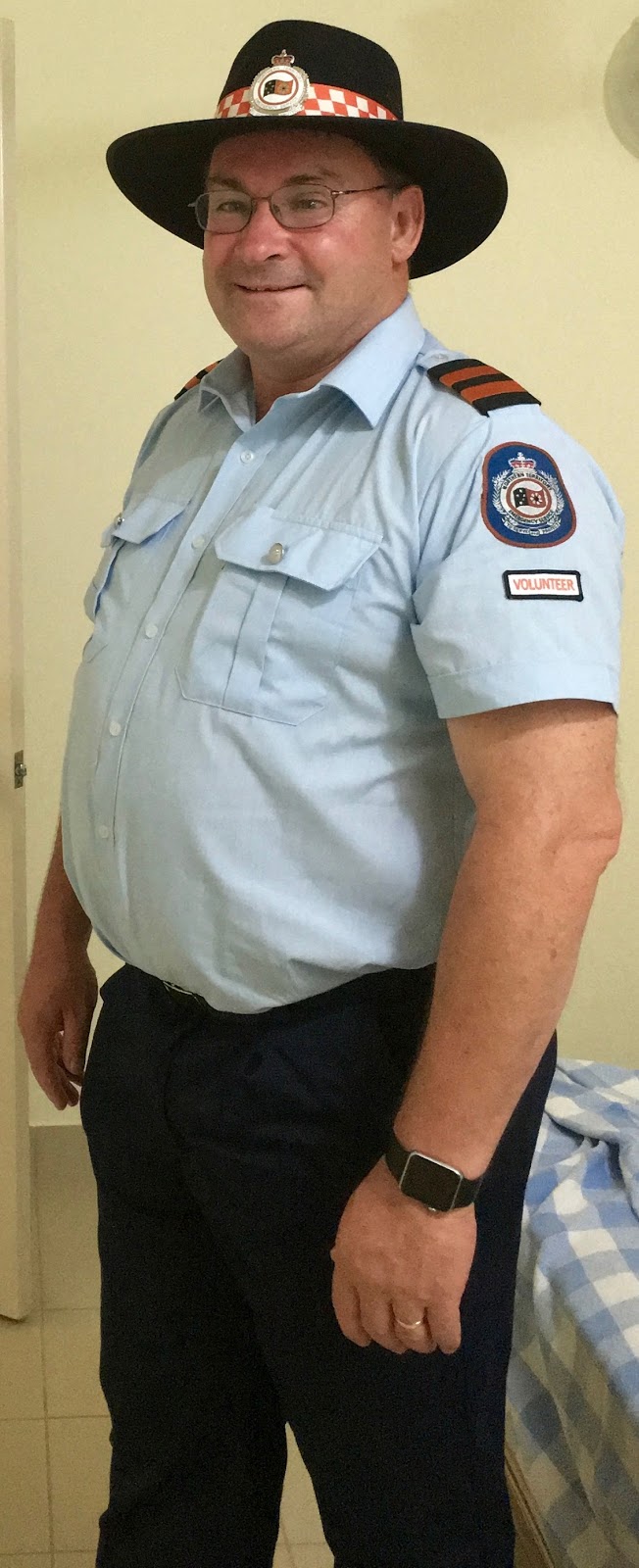
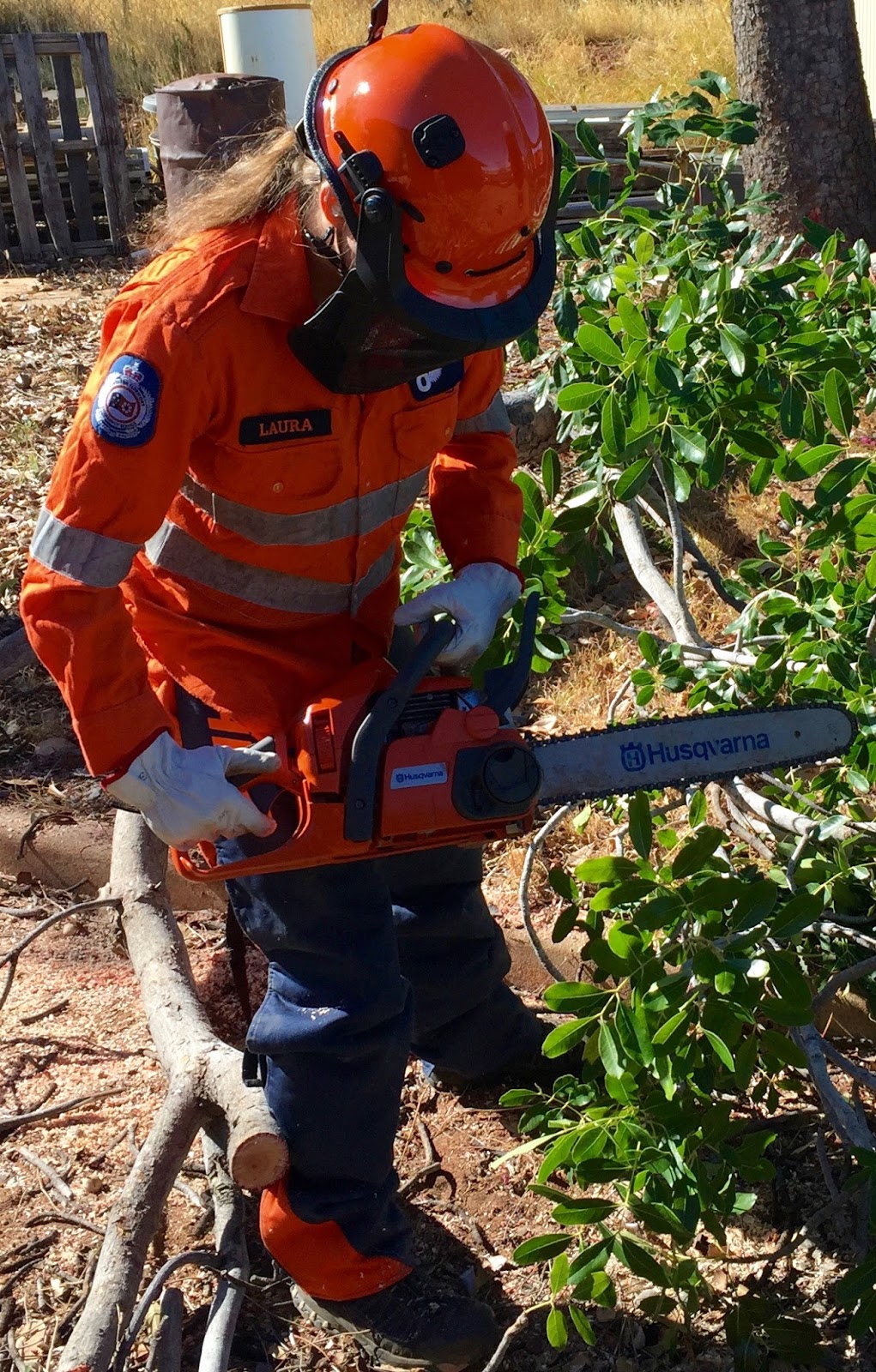
Outside of work, I have my “hobbies” to keep me from getting bored. I’m still on the Board of Directors of CRANAplus, having just been elected to another three-year term of office. I did run for President, but it’s probably just as well the members chose the other candidate given how busy I am at work now. Several times a year I do volunteer work as a trainer for CRANAplus, teaching emergency skills to remote health staff or people wanting to go and work out bush. I am also treasurer of the Central Australian Rural Practitioners Association. Finally, to fill up any last gaps in my spare time, I am a volunteer with the NT Emergency Service (our SES). The rationale for that was that it was something completely different from my professional life, and also something I could do with Laura when she is at home. A few months ago I was appointed Unit Officer for the Tennant Creek Volunteer Unit which means I am responsible for keeping the unit ready to respond to emergencies.
Health wise, I finally have my blood pressure under control, mostly … well sort of … oh all right, a bit. Losing 30kg would help so if anyone can give me a dose of cholera that might do the trick. Laura’s dog Jess needs regular exercise, so most days I take her for a walk with one of more of the girls. Cycling is another form of exercise I enjoy, but right now it’s too hot to be at all enjoyable, or safe. Bring on the cooler weather!
 Anita.
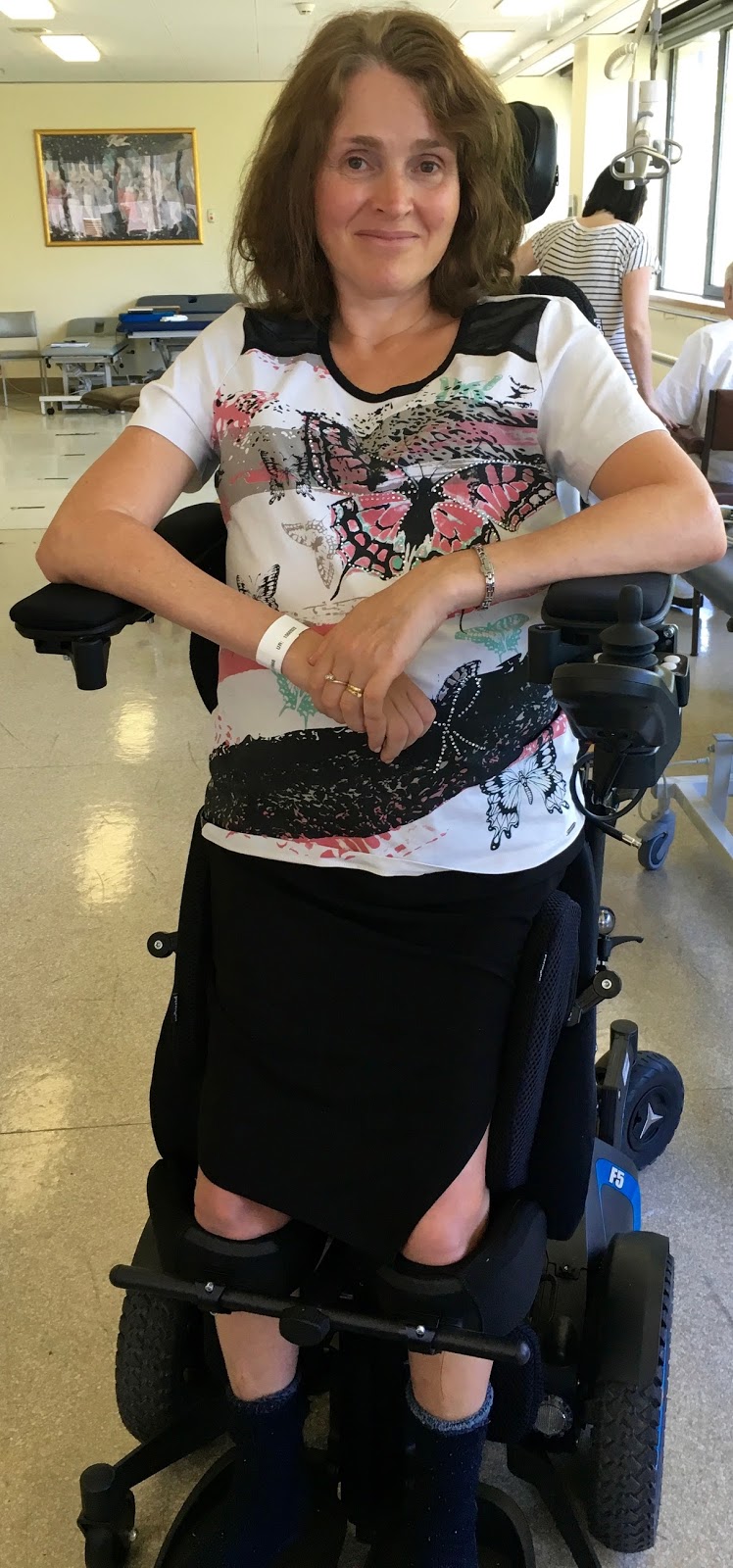
 What can I say? Nothing has changed except she is much less mobile than when I last wrote. She can still stand up with assistance, but no more walking or moving herself other than in her electric wheelchair. Her right hand is almost completely paralysed now, and the left hand is getting weaker. Despite all this, she’s still the cheerful friendly person everybody loves. Getting out and about was a lot easier with the accessible van, so Anita was able to enjoy the Tassie holiday along with the rest of us. Having Laura as a driver has also been a big help in making outings possible, as I don’t have to be available every time. Now that we’re back to using the Landcruiser, and Laura is away at University for much of the year, trips for Anita are a little more challenging but at least they are still possible. In September/October Anita spent several weeks in hospital having a physiotherapy workup among other things. She and I were sent over to St Vincent’s Hospital in Melbourne for 2 weeks, where she had a couple of procedures to reduce the spasticity in her legs. This worked a treat, so we can now do stand transfers again after about a year of having to use the hoist all the time. Now we are waiting to see if we can get some funding to purchase a new wheelchair which has a standing function so Anita can spend some time on her feet. Anyone got a spare $40,000 that they can’t find a use for? The physio says it is really good for her bones, circulation and lungs if she can stand several times a day. For now, I’m her standing machine, so she can only stand when I’m available.
 Laura
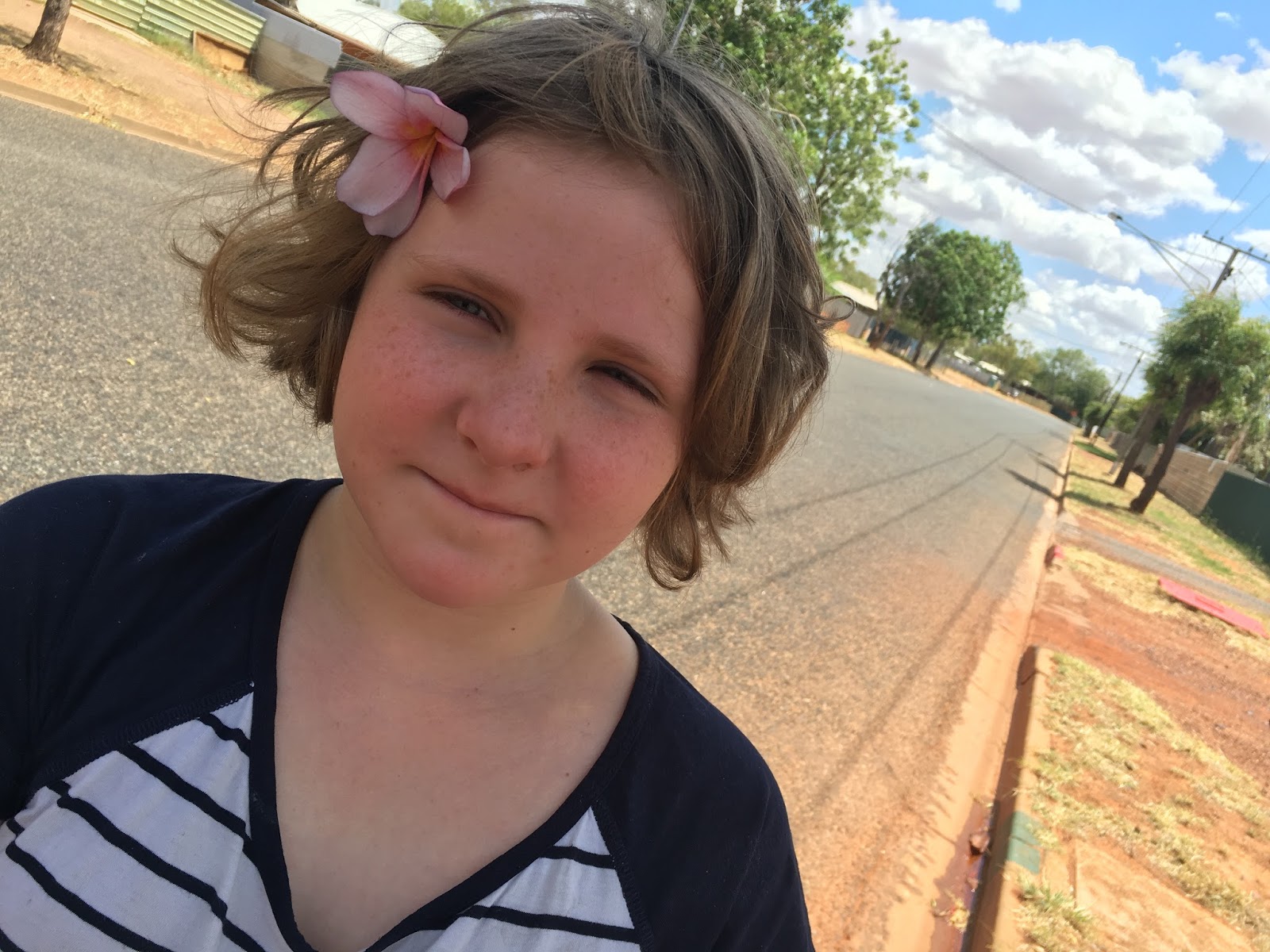
Laura. In October 2013 Laura turned 18, and it was great to have some of her relatives from SA come up for the party. Since then she has successfully completed two years of her three year Bachelor of Nursing. Two of her clinical placements have been at Tennant Creek Hospital where she is very popular with the staff. During holiday breaks, Laura works at the hospital as a Patient Services Officer, and her computer skills are in high demand. We has senior staff arguing recently over who was allowed to ask Laura to do things, as everyone claims they need her skills! Laura has turned into an amazing manager of resources and makes decisions with a maturity I wish I had when I was 20.
Probably the biggest highlight of 2012-2015 for Laura was her trip to Nepal in late 2013. She was trying to get to Mount Everest Base Camp, just over 5 ½ km above sea level. She didn’t quite make it due to bad weather but it was a fabulous experience all the same. She was on this trek as both a personal challenge and as a fundraiser for shade sails at the Tennant Creek Primary School. A close second in the highlights list was a trip to New Zealand in late 2014 with her Uncle Sam and cousins Katelyn, Genevieve and Nicola. Laura was amazed by the variety of adventure experiences on offer compared to Australia, and of course the scenery was spectacular to a girl from the desert.

Claire. Claire turned 15 this year and has just completed Year 10. She brought home a bagful of awards from the Tennant Creek High School awards night, having now won Student of the Year for her year level four times in a row. She enjoys maths and design, and is good at science subjects. She is looking forward to studying some of her subjects in 2016 via the NT Open Education College (NTOEC) as she needs excellent grades to get into veterinary medicine. Tennant Creek High School is not up to the task. To help with her future plans, Claire is hoping to get work with the local vet as an assistant in 2016 via a school-based initiative.
During 2013 Claire joined the Army Cadets and went on a few camps and other adventures, but chose not to continue with this in 2014. She now has two after-school jobs (down from three) so rakes in a few dollars which she is learning to manage wisely. In fact she has just returned from a holiday to Melbourne which she funded herself!
Claire now has three pets. The little dogs Parker and Sophie have been with us for 13 and 6 years respectively, while George is almost 4 years old. George is one of a double litter of 14 kittens born in our yard to two stray cats. I managed to get rid of the mothers and 13 of the kittens, but Claire wanted to keep one. I reluctantly agreed and now George is a contented member of the family. I’m not as contented as he is because I get hay fever symptoms if he gets too close to me. He is cuddly though!
 Erin.
Erin. Our ‘tjuta bug’ is growing up fast. She had her tenth birthday a couple of weeks ago. She is an avid YouTuber so I have to keep the computer password-protected to stop her spending 24 hours a day staring at the screen. Unfortunately she has discovered that the TV, the iPads and the iPhones can all connect and download YouTube clips! On the same thread of computer-based activity, Erin loves Minecraft and plays it any chance she gets. She says she likes Tennant Creek because she has friends to play with and she likes growing up because she can now buy presents for people. If she did a little less screen time and a bit more helping around the house she might have more pocket money, but so far that argument hasn’t worked.
Erin is a very clever girl who picks up things with amazing speed. Unfortunately the local primary school is just a day-care centre and not even a good one of those. We are rapidly approaching the point where we will need to sort out some proper education for Erin before Tennant Creek ruins her future. Laura and Claire had the advantage of Alice Springs School of the Air to set them up as independent learners, but Erin has only ever had the sad debacle of Tennant Creek education.

Roger. Anita’s father, the girls’ Grandpa, came back to live with us in March 2013, in the lead-up to his first hip replacement. With family support and being able to relax, the operation and rehabilitation went well. He had the other hip replaced in November 2013, so now sets off the buzzer at the airport like Titanium Man. The move to Tennant Creek was intended to be temporary until Roger was back on his feet and able to look after himself. However, in moving him from Adelaide we found piles of unpaid bills of which he was blissfully unaware. During the post hip replacement rehabilitation process it became apparent that the problem was dementia, so we decided to make Roger a permanent addition to the household. The situation is not without its problems, but overall it has been good for both Roger and Anita for him to live with us. Four adults and two children in a three-bedroom house is hardly ideal, but none of the alternatives were acceptable so we’re making the best of it. I call it the “Gray Court Nursing Home” which is funny, for now.
Well, that’s it for now. The story of our lives is way more complex than these few pages, but I hope you have seen a glimpse of our family. To all our far-flung friends and relatives, we hope your 2016 is full of visions realised and dreams coming true. May your sad days be short ones and your happy days long.
John Wright
Tennant Creek NT
December 2015
 |
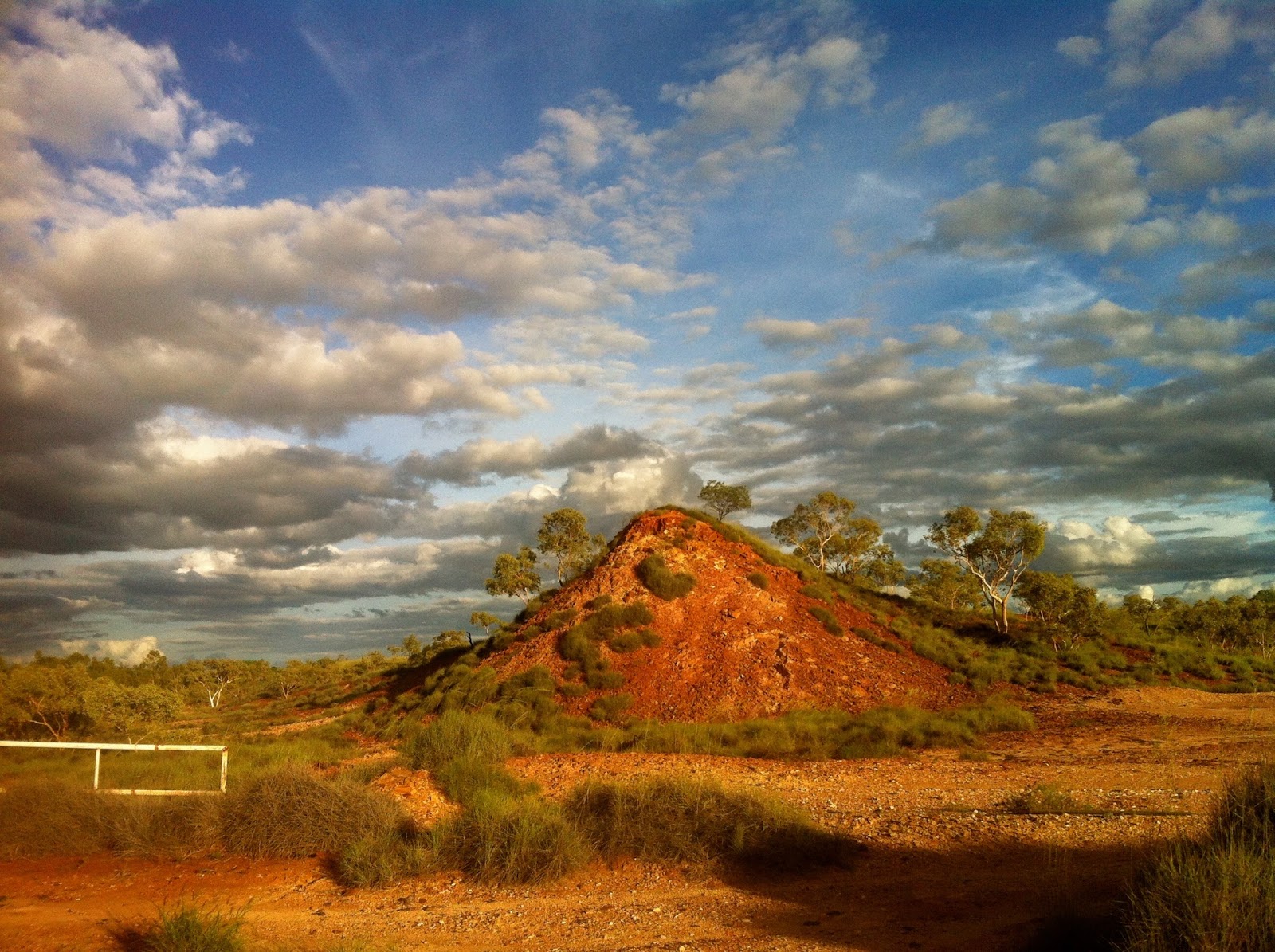
| View on dog walk at sunset near Tennant Creek |

 John's Blog - Rants and Rambles from the NT